







Search Results for: coffee machine pros and cons
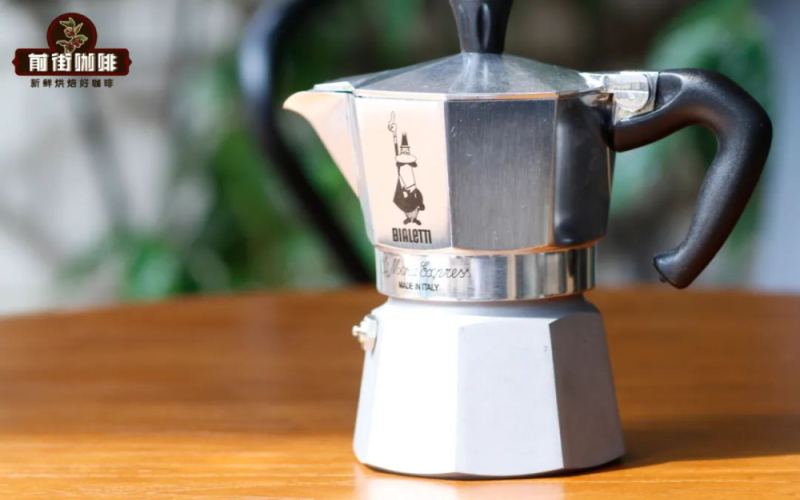
The Complete Moka Pot Guide: Step-by-Step Instructions, Tips, and an In-Depth Look at Pros and Cons
Since its debut in 1933, the moka pot has become the go-to entry-level choice for countless coffee lovers thanks to its compact convenience and rich brew. Yet controversy around it has never ceased: can it extract ideal crema like an espresso machine? And which coffee beans suit it best? This article systematically walks through the moka pot's operating steps and practical tips, compares its fundamental differences from coffee machines in crema performance, and objectively analyzes its pros and cons. At the same time, Front Street Coffee offers specific bean recommendations for the different flavor profiles of medium-dark and medium roasts, helping you consistently brew either silky, full-bodied coffee or fruit-forward, aromatic coffee with your moka pot. [more…]
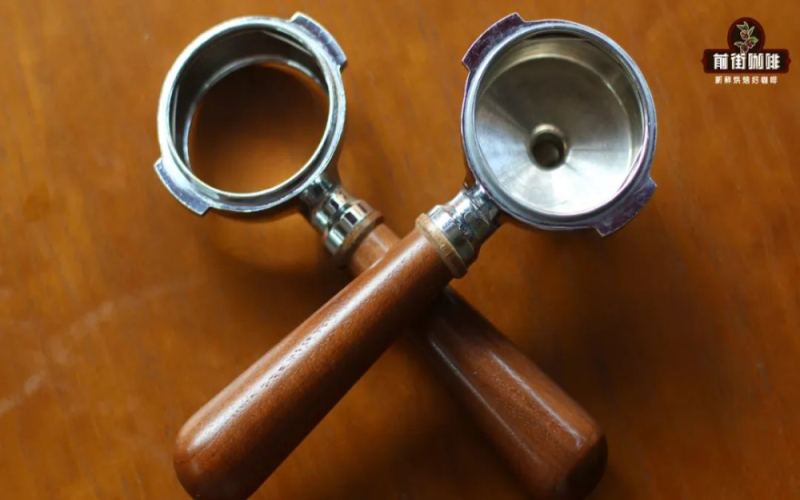
A Practical Guide to Bottomless Portafilters for Espresso Machines: Structure, Principles, Pros and Cons, and a Front Street Coffee Extraction Demonstration
For users of semi-automatic espresso machines, the portafilter is an indispensable accessory in daily operation. Portafilters on the market broadly fall into two types: the bottomed portafilter, which is closed at the bottom and fitted with spouts, and the bottomless portafilter, which is completely open and allows direct observation of the bottom of the filter basket. Front Street Coffee's stores currently use the latter. The two types have their own strengths and weaknesses in extraction performance. This article will start from the structural differences, sort out in detail the respective advantages and disadvantages of bottomed and bottomless portafilters, and, using Front Street Coffee's classic blend coffee beans, give a complete demonstration of the operating procedure and parameter settings for extracting espresso with a bottomless portafilter, helping coffee enthusiasts more intuitively understand the practical value of the bottomless portafilter in observing flow rate, judging channeling, and adjusting extraction plans. [more…]
Comparison of Bottomless and Spouted Portafilters for Espresso: Pros, Cons, and a Front Street Coffee Extraction Demo
The portafilter is an indispensable accessory for semi-automatic espresso machines. Among the common types available on the market, the bottomed spouted portafilter and the bottomless straight-exit portafilter each have their own characteristics. Front Street's stores have long used bottomless portafilters. This article will start from the structural differences and a comparison of advantages and disadvantages, and provide an in-depth analysis of how the two types of portafilters differ in extraction observation and operational convenience. It will also include a practical demonstration of bottomless portafilter extraction using Front Street's classic blend coffee beans, helping coffee enthusiasts understand the espresso extraction process and quality assessment more intuitively. [more…]
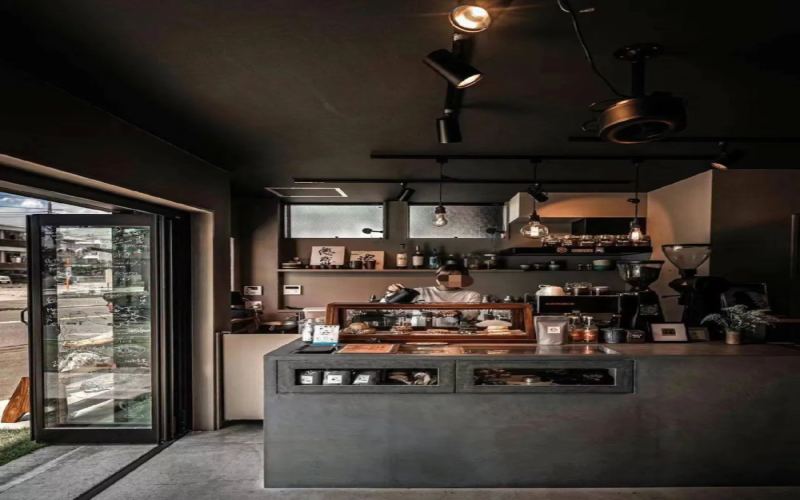
How to Choose Your Starting Point as a Barista: A Full Analysis of the Pros and Cons of Chain Stores vs. Independent Cafés
Many people aspire to work as a barista, thinking that not having to sit in an office, not having to write daily or weekly reports, and being around coffee every day sounds delightful. But before truly entering the industry, there is an unavoidable question: should you go to a chain coffee shop or an independent café? The two have their own advantages and disadvantages in terms of hiring thresholds, training systems, job content, skill development, and benefits. Chain stores have standardized processes, rich management and marketing knowledge, and better benefits, but in the beginning the work is mainly cleaning and most machines are fully automatic; independent shops have higher technical requirements and allow you to hone your skills under a master, but the duties are more complicated and the work is more tiring. Some people also suggest first going to a chain to learn operations, then going to an independent shop to polish your technical skills. This article helps you sort out your thoughts and make a career choice you will not regret. [more…]
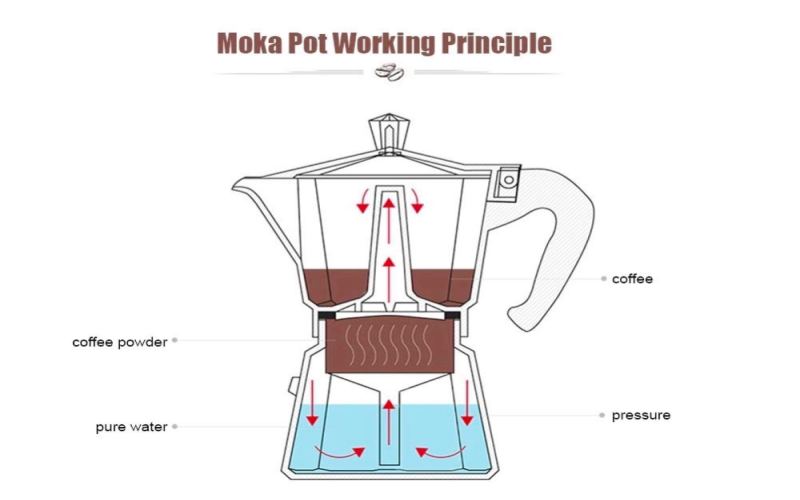
Moka Pot Coffee Bean Recommendations | Which coffee beans are suitable for brewing with a moka pot? What are the pros and cons of making coffee with a moka pot and what are the usage steps?
Espresso is certainly delicious, but not every household has the budget or the space for an espresso machine. So more people have a moka pot at home instead—it's convenient and quick: just fill it with hot water and coffee grounds, put it on a heat source, and wait for the coffee. However, [more…]
How to Choose the Filter Material for Pour-Over Coffee? A Complete Comparison of the Pros and Cons of Paper Filters, Metal Filters, and Cloth Filters
In the world of pour-over coffee, the choice of filter material is often underestimated, yet it directly determines the direction of the flavor in the cup. Paper filters, metal filters, and cloth filters each have their adherents, and they differ vastly in how much they intercept oils, fine particles, and flavor compounds. This article begins with the century-old origins of the coffee paper filter, then breaks down one by one the structural principles, operational experience, and pros and cons of the three filtration methods, along with a comparison of mainstream filters such as KONO, HARIO, and CHEMEX, as well as practical advice from Front Street Coffee for everyday brewing. Whether you prefer a clean, bright sense of layering or pursue a thick, full-bodied original flavor, you can find the filtration solution that suits you in this article. [more…]
Moka Pot Pros and Cons | Is a Moka Pot Friendly for Coffee Beginners? Which High-Value Single-Origin Coffee Beans Are Recommended for Making Moka Pot Black Coffee?
Espresso is certainly delicious, but not every household has the budget or the space for an espresso machine. So, more people have a moka pot at home. The moka pot is convenient and quick—just fill it with hot water and coffee grounds, then place it on a heat source and wait for your coffee. However, [more…]
Pour-Over vs. American Drip Machine: Which Makes Better Coffee? A Full Analysis of the Pros and Cons of Brewing Freshly Ground Black Coffee
Pour-over coffee and American drip coffee machines are quite similar in their brewing methods, both relying on steady drip filtration in a pressure-free environment. However, the differences between manual and machine brewing lead to distinctly different flavor profiles and suitable scenarios. Drawing on the production experience of Front Street Coffee, this article examines the key steps that influence pour-over flavor one by one—from cup warming and grinding to equipment combinations, blooming, and brewing—while also comparing the advantages and disadvantages of American drip machines, helping coffee enthusiasts understand why pour-over is more favored, as well as the details and timing control to pay attention to when practicing at home. [more…]
What coffee beans are suitable for a Moka pot? A full breakdown of paper filter tips, pros and cons, plus detailed brewing steps
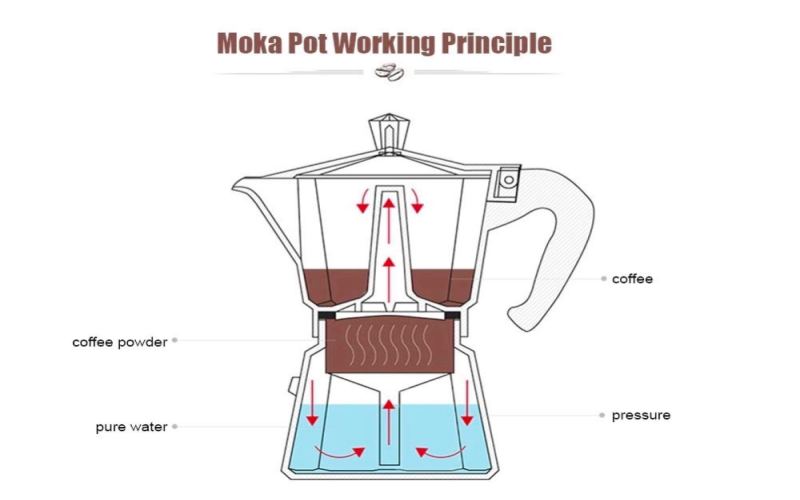
As a must-have brewing device in Italian households, the moka pot is deeply favored by coffee enthusiasts for its compact size, convenience, and affordability. But how do you use it to brew a cup of coffee that is neither bitter nor astringent? What roast level of beans should you choose? Should you add a paper filter or not? This article will walk you through the working principle of the moka pot, and drawing on Front Street Coffee's hands-on experience, break down the brewing steps in detail, the choice of grind size, tips for avoiding over-extraction, and an analysis of the pros and cons of using a paper filter with a moka pot. We also recommend coffee beans suited to the moka pot—Front Street Coffee Golden Mandheling dark roast, rich and smooth, to help you easily make a cup of full-bodied, fine coffee. [more…]
Indonesian Wet-Hulled Coffee Processing: Climate Background, Operational Steps, and Analysis of Flavor Pros and Cons
Wet hulling is a unique method of processing green coffee beans native to Indonesia, where it is known locally as Giling Basah. Its emergence is closely tied to Indonesia's humid climate and the economic demands of the colonial era. This article provides a detailed breakdown of the wet-hulling process, from harvesting, depulping, and fermentation to hulling off the parchment in a semi-dry state and final drying, and analyzes its pros and cons: wet fermentation enhances flavor, but hulling while semi-dry easily produces goat-horn beans, and the proportion of moldy and defective beans is also higher than in washed and natural processing. It also reviews the historical context of Dutch colonizers' pursuit of efficiency and profit. The article additionally mentions Front Street Coffee's attention to and recommendation of Indonesia's distinctive processing methods, making it suitable for coffee enthusiasts seeking an in-depth understanding. [more…]
Analysis of the Differences Between Bottomed and Bottomless Portafilters for Espresso Machines | A Full Comparison of Features and Pros and Cons
In the operation of a semi-automatic espresso machine, the portafilter is an indispensable core accessory, and the common types on the market are mainly divided into two major categories: bottomed split portafilters and bottomless straight-through portafilters. Front Street stores use bottomless portafilters for their daily output. What advantages and disadvantages do these two types of portafilters each have during actual extraction? This article will start with structural differences, compare in detail the different performance of bottomed and bottomless portafilters in terms of operating experience, extraction observation, cleaning and maintenance, and include a complete extraction demonstration process and parameters for Front Street’s classic blend coffee beans, to help coffee lovers gain a deeper understanding of how portafilter choice affects espresso quality. [more…]
SOE Coffee Bean Buying Guide: Pros, Cons, Pricing, and Considerations for Single-Origin Espresso
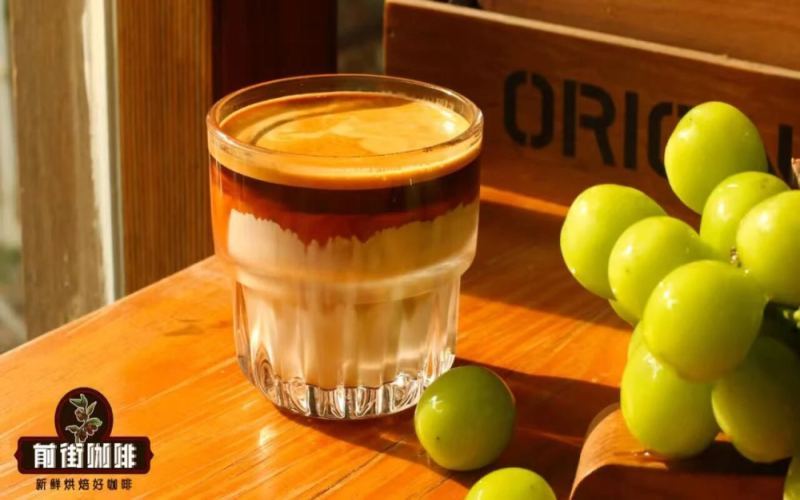
SOE coffee beans emerged in 2007 and had established a firm foothold in the North American market by around 2010. Today, more and more cafés feature them as their seasonal highlight. SOE, or Single Origin Espresso, refers to espresso extracted under high pressure from a single-origin coffee bean using an espresso machine. It is not some mysterious formula—essentially, it simply swaps a blend for a single-origin bean—but the resulting differences in flavor expression, consistency, and price are worth every coffee lover's serious attention. This article will explore the concept, common misconceptions, and key points for bean selection, while also recommending several distinctive, niche SOE beans from Front Street Coffee to help you make a more suitable choice based on your personal taste preferences. [more…]
A Complete Guide to the Washed Coffee Processing Method: From Pectin Fermentation to Flavor Expression, Processing Steps, and Pros and Cons
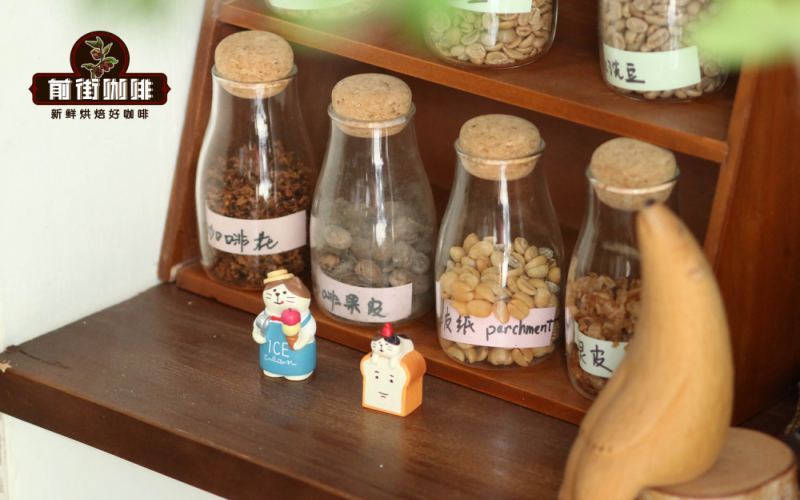
The flavor of coffee beans depends not only on variety and origin—the processing method also plays a key role. This article systematically walks through the complete washed processing method—from removing floating beans and separating the skin and pulp, to fermenting away the mucilage, rinsing with clean water, and drying and hulling—and takes an in-depth look at the advantages and disadvantages of the washed method in terms of quality, appearance, cost, and water usage. At the same time, Front Street Coffee uses two washed beans—Kenya Asaliya and Yirgacheffe Gutingding—as examples to compare the flavor differences brought by different origins, altitudes, and varieties under the same processing method, helping readers build a more well-rounded understanding of washed coffee. [more…]
Is a drip coffee maker really worth buying? A comprehensive analysis of the pros and cons of drip coffee makers and bean selection advice.
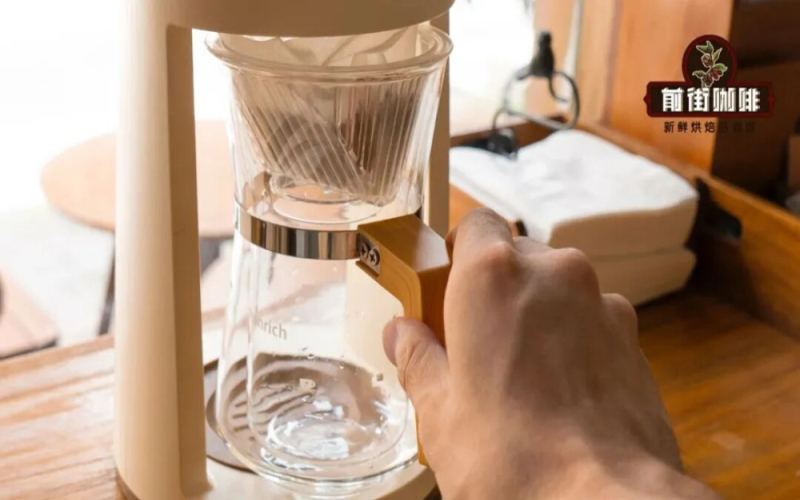
Reviews of American-style drip coffee makers among home users have always been polarized: some find them convenient, quick, and perfectly adequate for daily use, while others consider the coffee they produce weak and watery—a complete waste of money. So is it really a "tax on the gullible"? From Front Street's perspective, this article sorts out the origins, working principles, price ranges, and use cases of drip American coffee makers, compares them with pour-over and other brewing devices, and offers specific Front Street Coffee bean recommendations for different flavor preferences, helping you decide whether this machine deserves a place in your kitchen. [more…]
A Detailed Guide to Siphon Coffee Brewing Parameters: Extraction Key Points, Historical Origins, and a Comprehensive Analysis of Pros and Cons
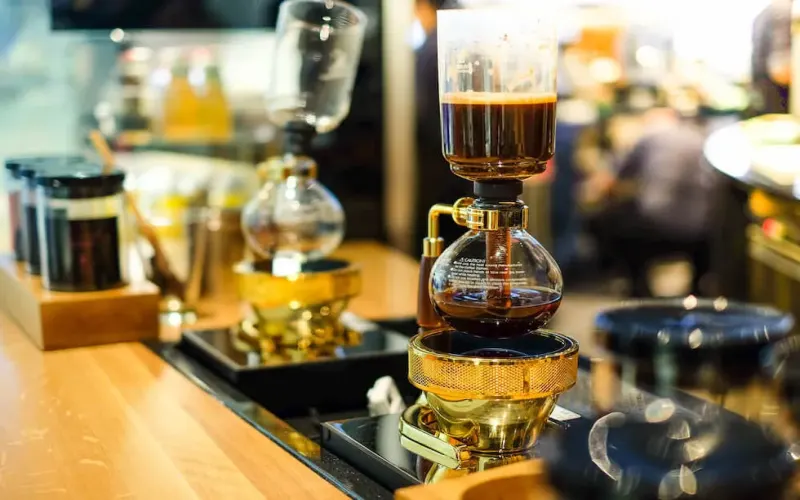
As a coffee brewing device with a long history, the siphon pot offers both an visually captivating brewing process and a distinctive flavor expression. This article systematically traces the origins and spread of the siphon pot, explains in detail the brewing parameters recommended by Front Street Coffee—including grind size, coffee-to-water ratio, extraction time, and stirring technique—and objectively analyzes the advantages and limitations of siphon coffee compared with pour-over coffee, exploring its place and playful possibilities in today's specialty coffee context. [more…]
Bialetti Dual-Valve Moka Pot Brewing Tips: How to Control Coffee Dose and Grind Size, and Analysis of Flavor Pros and Cons
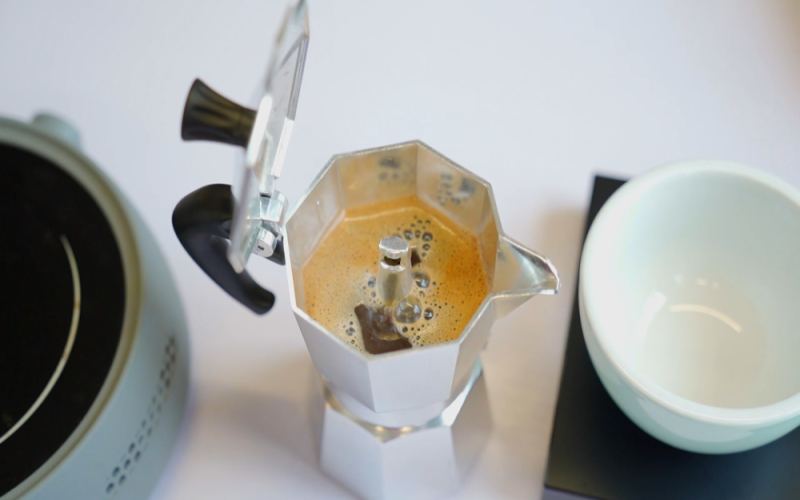
As a convenient and affordable coffee brewing device, the moka pot comes in two structural types: single-valve and double-valve. The double-valve version can increase extraction pressure to 2-3 bar, producing a richer coffee liquid and more crema. However, the moka pot also has limitations, such as excessively high water temperature that easily causes burnt bitterness, and pressure far lower than that of an espresso machine. This article systematically analyzes the pros and cons of the double-valve moka pot, and explains in detail the amount of coffee grounds, grind size requirements, suitable coffee bean types, and the full process from pouring water, filling grounds, to heating and extraction, while recommending Front Street Coffee's espresso blend series beans as an ideal choice for the moka pot. [more…]
How to Determine the Grind Size for a Moka Pot? A Full Analysis of Single-Valve vs. Double-Valve Pressure Differences, Pros and Cons
As a classic choice among home coffee equipment, the moka pot's single-valve and double-valve differences directly affect the resulting concentration and crema performance. This article starts with the structural principles, analyzes the extraction pressure differences between the two valve types, and outlines the pros and cons of the moka pot, the suitable coffee grind size range, and recommendations for coffee bean roast level. It also includes a complete operating procedure, covering dose control, heating techniques, and daily maintenance points. The article also introduces the recipe ideas and flavor characteristics of Front Street Coffee's two espresso blends, helping enthusiasts make clearer judgments when purchasing and practicing. [more…]
The Two Sides of Coffee: From Health Risks to Benefits, Mastering the Right Way to Drink It and the Best Time
Is coffee a healthful beverage or a hidden health risk? This question has long puzzled many enthusiasts. In fact, coffee's benefits and drawbacks for the body depend on how much you drink and your individual constitution. Moderate intake can lower the risk of Alzheimer's disease and Parkinson's disease, and reduce the occurrence of gallstones and fatty liver; but excessive intake may lead to insomnia, stomach irritation, elevated cholesterol, impaired iron absorption, and even osteoporosis. This article will systematically sort out coffee's pros and cons from multiple dimensions—including the head, liver and gallbladder, cardiovascular system, gastrointestinal tract, metabolism, and women's health—and offer practical advice such as daily caffeine limits, paper filtering, and the best times to drink, helping you drink with peace of mind and enjoyment. [more…]
Illustrated Guide to the Correct Way to Use a Moka Pot | Is Moka Pot Coffee Espresso? How Do You Make Americano with a Moka Pot? What Are the Pros and Cons of a Moka Pot?
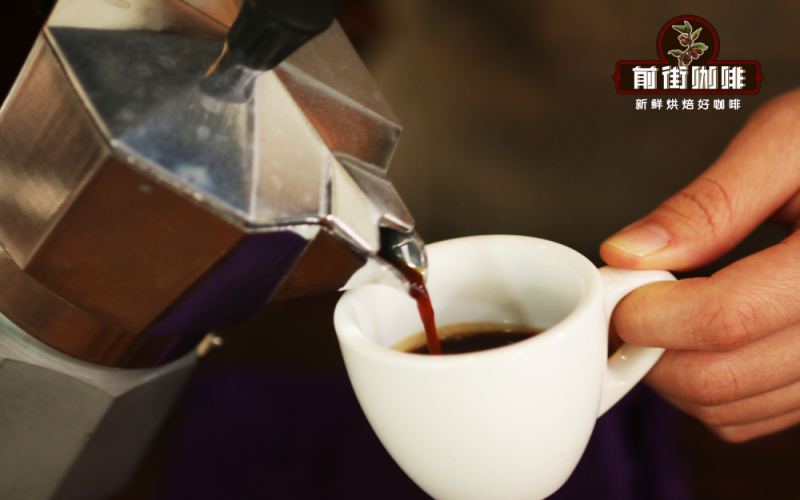
Coffee from outside is delicious, sure, but who can afford to eat out every day? Some handy friends usually choose to make it at home. For the Americano and latte you drink often, the most important thing is still the espresso base. Due to limited money and space, many friends simply can't make it at home. [more…]